Technology for restaurants has transformed how modern operators run their business, replacing notebooks, gut instinct, and manual processes with smart, connected tools. Today’s systems help streamline operations, reduce costs, and improve the guest experience from front-of-house to kitchen. Setting your restaurant up with the right technology adds measurable value to your bottom line.
This guide breaks down the restaurant technologies that deliver real impact: from POS systems and online ordering to staff scheduling, inventory, and reservations. Use it to identify the tools that fit your workflow, save time, and help your team do more with less.

Restaurant Technology for Front of House
Running a smooth front-of-house is all about timing, flow, and guest satisfaction. Technology for restaurants plays a key role in making that happen, helping staff seat guests faster, manage reservations more efficiently, and provide a more seamless experience from the moment diners walk in.
Online Reservation System
An online reservation system allows guests to book tables directly from your website, social media, or other platforms without needing to call. It automates confirmations, waitlists, and no-show management, saving time for both guests and staff.
By making booking easier and more accessible, reservation systems help restaurants reduce missed bookings and fill more tables during peak times. They also offer valuable data on guest preferences, booking trends, and repeat visits. That insight can be used to personalise service and boost loyalty. Some systems even integrate with digital marketing tools to send reminders or promote special offers

Online Ordering System
Online ordering allows customers to place pickup or delivery orders directly through your website or app, bypassing third-party fees and providing a smoother customer experience. It’s a must-have for restaurants looking to reach customers beyond the dining room.
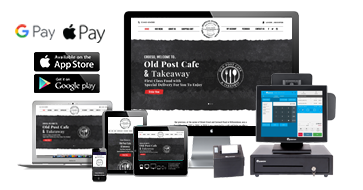
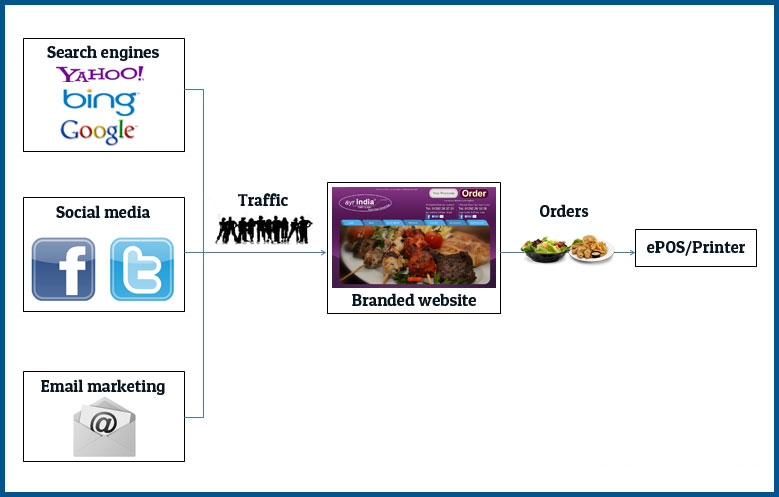
With an online ordering system like eTakeawayMax’s online ordering, you keep full control over your brand, menu, and margins. Plus, orders are directly sent to your POS or kitchen display system, reducing mistakes and freeing up staff from taking calls. It can significantly increase revenue during off-peak hours and open new channels for customer engagement.

Table Management Software
Table management software helps you optimize your floor plan in real-time. From assigning tables to tracking turnover rates and managing walk-ins, it replaces guesswork with visibility.
This tool helps maximise seating capacity, reduce wait times, and improve the guest experience. During busy service periods, it can prevent double bookings and help staff focus on hospitality, not logistics. When combined with reservation and POS data, it can also help forecast busy times and improve long-term planning.

Digital Waitlist Systems
Digital waitlist systems replace pen-and-paper sign-ins with a more organised, customer-friendly queue. Guests can check wait times, join remotely, and receive SMS updates when their table is ready.
These systems improve the guest experience by reducing frustration and giving them freedom to roam while they wait. For restaurants, it increases table turns and reduces walkaways; guests are more likely to stick around if they’re in the loop. You also collect customer contact details for future marketing.

Contactless Ordering and Payment
Contactless technology allows diners to browse the menu, place orders, and pay directly from their smartphones, no server or payment terminal needed. This is typically enabled through QR codes placed on tables, counters, or signage, giving customers instant access to your digital menu and ordering system.
Not only does this speed up table turnover and reduce staff workload, but it also improves hygiene and convenience. Many systems support upselling prompts, tipping options, and real-time order modifications, boosting average order value without extra staff effort. It’s especially effective in fast-casual, quick-service, or high-volume settings where speed and efficiency matter most.

POS (Point-of-Sale) Systems
A modern POS system does more than process transactions—it serves as the operational brain of your restaurant. From managing orders and payments to tracking inventory and sales trends, it’s one of the most critical front-of-house technologies.
POS systems like eTakeawayMax’s EPOS streamline day-to-day operations while giving you actionable insights into performance. They can integrate with your online ordering, loyalty programs, and employee scheduling, helping you save time, reduce errors, and increase profitability.

Event Management Systems
Event management tools help restaurants organise private bookings, group reservations, and special events with ease. They centralise all event details, from guest counts to deposits and custom menus, in one place.
These systems reduce the back-and-forth typically involved in coordinating events, while helping you offer a seamless guest experience. Events are a high-margin revenue stream, and managing them efficiently helps you make the most of your space during off-peak hours or slower days.

Self-Service Kiosks
Self-service kiosks allow guests to browse the menu, customize their order, and pay without interacting with staff. Commonly used in fast-casual or high-traffic restaurants, these touchscreen terminals help reduce queues and improve order accuracy.
Beyond speed, kiosks support upselling and personalization with smart prompts and visuals. They also reduce staffing needs during peak hours and improve customer satisfaction through convenience and control.

Digital Menu Boards
Digital menu boards replace static signage with dynamic displays that can be updated in real time. They’re perfect for showing high-margin items, rotating specials, or time-based menus (like breakfast vs. dinner).
These boards enhance the visual appeal of your restaurant and can influence purchasing decisions at the point of sale. Operators can remotely manage content across locations, saving time and printing costs.

Mobile/Handheld Devices for Tableside Service
Mobile POS and handheld devices empower servers to take orders and process payments directly at the table. This eliminates the need for trips back and forth to a central terminal, speeding up service and improving accuracy.
Tableside tech not only boosts table turnover but also increases guest satisfaction and tipping potential. Real-time syncing with the kitchen ensures faster prep, and built-in upsell features can increase order value.

Robotic Servers
Robotic servers are an emerging front-of-house technology used to greet guests, deliver food to tables, or even clear dishes. Common in high-tech markets like Japan, they’re now gaining traction in restaurants facing labor shortages or seeking to create a futuristic, memorable dining experience.
These robots help reduce dependency on staff during peak hours, increase service efficiency, and minimize human error. For restaurants with consistent layouts—like buffet-style or fast-casual formats—robotic servers can boost productivity and improve guest satisfaction through faster table service.

Restaurant Technology to Streamline Back-of-House Operations
Back-of-house efficiency can make or break a restaurant’s performance. From kitchen prep to payment processing, the right tools can improve accuracy, speed, and communication, leading to smoother shifts, happier staff, and higher profits.
Kitchen Display Systems (KDS)
A Kitchen Display System (KDS) replaces traditional paper tickets with a digital screen in the kitchen, allowing real-time communication between front-of-house staff and the kitchen team. Orders from the POS or online ordering system appear instantly on the screen, helping chefs prioritize tasks and manage timing more efficiently.
KDS improves accuracy by reducing miscommunication and missed orders, which can lead to fewer errors and food waste. It’s particularly valuable during peak hours, helping teams stay organized and maintain faster ticket times. When integrated with a full EPOS solution, it becomes even more powerful, offering synced order tracking and reporting across all channels.

Inventory Management Tools
Inventory management software helps restaurants monitor stock levels in real time, track ingredient usage, and forecast purchasing needs based on sales trends. This eliminates guesswork, reduces waste, and helps avoid over or under-ordering, key issues that can eat into profit margins.
The right tool can alert you when stock is low, generate automatic order lists, and even connect with your supplier systems. Over time, this leads to tighter cost control, improved food cost percentages, and better preparation for busy periods. For growing restaurants or multi-location businesses, digital inventory tools are a must-have for keeping back-of-house operations lean and profitable.

Automated Kitchen Robotics
Back-of-house robotics—such as burger-flipping machines, robotic fryers, and automated stir-fry stations—are designed to handle repetitive or labor-intensive kitchen tasks with speed and precision. These systems are especially popular in high-volume kitchens or QSRs where consistency and efficiency are critical.
By automating prep and cooking, restaurants can significantly reduce food waste, improve portion control, and maintain consistent food quality. Advanced systems may even integrate with KDS and inventory tools for smarter, real-time operations.

Restaurant Technology for Smarter Management
Running a restaurant isn’t just about food and service; it’s about managing people, costs, and performance every single day. The right restaurant technology can lighten the load, reduce errors, and provide deeper insights that help you make smarter business decisions.
Staff Scheduling Software
Staff scheduling software helps restaurant managers create optimized shift schedules, track employee availability, manage time-off requests, and ensure labor compliance in one place. By automating the scheduling process, it saves hours of admin time and reduces the risk of over- or under-staffing. Smart scheduling tools use sales forecasts, labor budgets, and historical trends to recommend ideal staffing levels.

Payroll Management Systems
Payroll systems streamline one of the most complex administrative tasks in a restaurant: paying your team accurately and on time. These tools help automate wage calculations, handle tax deductions, manage benefits, and ensure compliance with labor laws while minimizing human error.
Integrated payroll solutions can pull data directly from your time tracking or scheduling systems, reducing manual entry and saving hours of back-office work each week. For multi-location operators or restaurants with fluctuating staff, a reliable payroll system adds serious operational value and helps avoid costly compliance issues or payment mistakes.

Menu Engineering Tools
Menu layout and pricing strategy have a direct impact on profitability. Menu engineering software helps analyze what dishes are selling, what’s most profitable, and how to rearrange items to increase revenue. Using data from your sales reports (often available through your EPOS or online ordering system), these tools help you balance popularity with profitability.

Food Waste Management Systems
Modern food waste management tools help restaurants monitor, measure, and reduce kitchen waste. These systems track ingredients, portion sizes, and waste patterns, giving operators visibility into what’s being discarded and why.
Reducing food waste isn’t just good for the environment; it’s also good for your bottom line. By minimizing over-ordering and spoilage, restaurants can cut food costs and improve profit margins. Some systems even offer real-time alerts and suggestions based on inventory data, helping kitchens make smarter purchasing and prep decisions.

Delivery Management, Tracking & Integrations
Delivery technology centralizes and streamlines the process of managing orders across third-party apps and direct online channels. It gives restaurants real-time visibility into incoming orders, delivery status, and customer communication from one platform.
With margins already tight, managing delivery efficiently is essential. Integrated tools help reduce errors, prevent missed orders, and improve delivery times. Operators can also collect better data on performance and customer behavior, supporting smarter marketing and operations.

Restaurant Technology for Marketing & Communication
Marketing is about building relationships at every stage of the customer journey. The right technology helps restaurants stay connected with guests, increase repeat visits, and drive revenue through personalized, data-driven campaigns. From loyalty programs to direct messaging, today’s marketing tools make it easier than ever to engage customers at scale without adding more to your plate.
SMS & Direct Messaging Systems
These systems allow restaurants to communicate with customers instantly through text messages or chat-based platforms. They can be used for order updates, promotions, reservation reminders, or feedback requests in real time.
Direct messaging creates a personal connection and often leads to higher open and response rates compared to email. With automation features and segmenting tools, you can target the right message to the right guest at the right time. This improves customer satisfaction, reduces no-shows, and helps bring in repeat business.

Reputation Management Platforms
These tools help restaurant operators monitor, manage, and respond to online reviews across multiple platforms. They often include sentiment analysis, review alerts, and performance dashboards to track customer satisfaction over time.
Maintaining a positive online reputation is critical for local SEO and first impressions. Timely, thoughtful responses to reviews not only build trust but can also improve visibility and drive foot traffic. With automation features, these platforms save time while protecting your brand.

Restaurant Customer Relationship Management (CRM) Tools
From visit history to preferences and order behavior, a CRM system collects and organizes guest data into a single dashboard. This allows restaurants to personalize experiences, segment audiences, and tailor communications based on actual customer habits.
The value lies in using data to drive repeat visits and long-term loyalty. CRMs help restaurants market smarter, not harder, by focusing efforts on high-value customers or lapsed diners who need a nudge to return.

Email Marketing Automation
Email marketing remains one of the most cost-effective channels for driving restaurant sales. Automation tools make it easy to set up welcome sequences, birthday promos, re-engagement campaigns, or limited-time offers triggered by guest behavior.
Instead of sending generic newsletters, automation lets you deliver personalized content at scale. These tools boost open rates, increase booking or order conversions, and help maintain regular engagement without requiring daily manual work.

Loyalty Program Software
Loyalty technology makes it easy to reward repeat customers through points, perks, or exclusive offers. Many systems now integrate with online ordering and EPOS platforms, creating a seamless experience from in-store to mobile.
Besides increasing visit frequency, loyalty software provides valuable data on guest behavior and spending patterns. This helps you identify top customers, test incentives, and fine-tune your marketing strategy for stronger ROI. A digital loyalty program also keeps your brand top-of-mind without needing a physical punch card.

Restaurant Website Builders
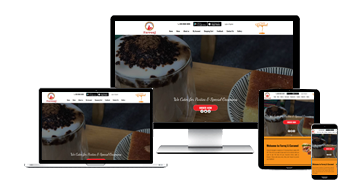
A professional restaurant website builder helps operators launch and manage a mobile-optimized website without needing a developer. These platforms often include built-in tools for menus, reservations, online ordering, and SEO.
Having a strong website is essential for discoverability and direct sales. Unlike third-party platforms, your website gives you full control over branding, data, and customer experience.

Restaurant Mobile Apps
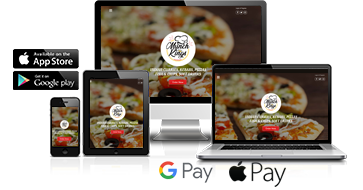
Custom mobile apps provide a direct channel to engage loyal customers, accept orders, promote offers, and support loyalty programs. While more common among chains or growing independents, restaurant apps are increasingly affordable and impactful.
Apps encourage repeat visits, increase basket size, and allow push notifications to promote limited-time offers or events. They also reduce reliance on third-party platforms, improving margins and customer data ownership.

The Future of Restaurant Technology
As technology continues to evolve, restaurants are adopting advanced tools that move beyond efficiency into innovation. Artificial intelligence (AI), robotics, and the Internet of Things (IoT) are at the forefront, transforming how kitchens operate, how customers order, and how data is used to make business decisions.
AI is being used to power voice-based ordering, forecast sales, and personalize promotions. Chains like Domino’s have tested AI-driven drive-thrus and recommendation engines. Robotics is no longer just a novelty; in Japan, robot servers are used to deliver food, while companies like Miso Robotics have developed machines like Flippy that automate frying. Smart kitchen equipment, powered by IoT, can now monitor inventory levels, track food safety, and reduce energy use in real time.
Looking ahead, expect to see more autonomous delivery solutions (drones, bots), virtual kitchens supported by AI planning tools, and deeper integration between guest behavior data and operational systems. These technologies are already in motion, and while not yet mainstream, their continued adoption could reshape staffing models, reduce waste, and redefine the customer experience.
Keep Updated With Restaurant Technology
Restaurant technology is evolving faster than ever, and the businesses that adapt are the ones that stay ahead. In 2025 and beyond, restaurants that embrace a more tech-forward approach—automated, agile, and data-informed—are better positioned to grow and meet modern customer demands.
From front-of-house tools to AI-powered kitchen systems, even small upgrades can lead to major improvements in efficiency, guest experience, and profits.
Staying informed about the latest innovations helps you make smarter investments, streamline operations, and respond to changing customer expectations. Make a habit of reviewing your tech stack regularly, testing new solutions, and learning from industry trends. The tools are out there; you just have to choose the ones that work best for your business.
Frequently Asked Questions
What is restaurant technology?
Restaurant technology refers to the digital tools, systems, and software used to improve operations, enhance the customer experience, and drive business growth in foodservice settings. This includes everything from EPOS systems, online ordering platforms, and kitchen display systems to reservation tools, staff scheduling apps, and data analytics dashboards.
By automating repetitive tasks and offering real-time insights, restaurant technology helps owners reduce costs, improve efficiency, and deliver faster, more personalized service.
What technology is used in a restaurant?
Restaurants today use a wide range of technologies to streamline both front-of-house and back-of-house operations. Common examples include:
– EPOS systems for order-taking and payments
– Online reservation and booking tools
– Inventory and stock management software
– Kitchen display systems (KDS)
– Staff scheduling and payroll apps
– Customer relationship management (CRM) platforms
– Online ordering and delivery integrations
– Digital loyalty and marketing automation tools
These technologies work together to improve speed, accuracy, staff productivity, and customer satisfaction, ultimately leading to better margins and sustainable growth.
What is the future of restaurant technology?
The future of restaurant technology is fast, intelligent, and increasingly automated. Innovations like AI-powered ordering, robotics, and IoT-connected kitchen equipment are already being used to reduce labor costs, personalise guest experiences, and optimise workflows in real time.
Looking ahead, we can expect wider adoption of virtual kitchens, voice-activated systems, predictive analytics, and advanced loyalty integrations. Restaurants that embrace these tools early will have the edge, operating smarter, scaling faster, and staying more connected to evolving customer needs.