In this guide to opening a restaurant in the UK, learn restaurant procurement and how to source and maintain suppliers.
After learning menu engineering for restaurant operations, learn how you can manage your restaurant’s operations through the procurement of supplies.

One crucial aspect that can make or break your restaurant’s success is how you source your suppliers. Quality ingredients, reliable equipment, and dependable services are all essential to running a successful restaurant. This guide aims to help UK restaurant startups navigate the complex world of supplier sourcing.
Our goal is to provide you with the knowledge and tools you need to make informed decisions and build a successful restaurant. Let’s dive into the best practices for sourcing suppliers and ensuring your restaurant thrives from the very beginning.
Understanding Restaurant Procurement
Procurement in the industry involves selecting vendors, negotiating contracts, and purchasing the necessary items and services to run your restaurant smoothly. This process requires careful planning and organization to ensure that you have what you need when you need it, without overpaying or compromising on quality.
Understanding procurement is essential for managing costs, ensuring quality, and maintaining a steady supply of everything your restaurant needs.
Restaurant managers should understand par levels. It is a predetermined minimum quantity of an item that must be kept in inventory to ensure smooth operations. It is a crucial part of inventory management, helping to avoid both shortages and overstocking.
Importance of Effective Restaurant Procurement
Effective procurement is crucial for several reasons:
- Cost Management: By sourcing items at the best prices, you can manage your budget more effectively, save money, and increase your profit margins.
- Quality Control: Ensuring that you purchase high-quality ingredients and reliable equipment directly impacts the quality of your food and service.
- Consistency: Reliable suppliers help you maintain consistency in your menu and service, which is essential for building a loyal customer base.
- Efficiency: Streamlined procurement processes save time and reduce the stress of last-minute shortages or supply chain disruptions.
Key Components of Supplier Sourcing
Several key components make up the procurement process in a restaurant:
- Ingredients: Sourcing fresh, high-quality ingredients is vital for preparing delicious dishes. This includes everything from vegetables and meats to spices and condiments.
- Equipment: From ovens and refrigerators to cutlery and dining furniture, having the right equipment is essential for efficient operations.
- Services: Reliable services such as cleaning, waste disposal, and maintenance are critical for maintaining hygiene and functionality in your restaurant.
- Technology: Procurement software and tools can help you manage orders, inventory management, and analyze spending, making the process more efficient.
How to Find Restaurant Suppliers in the UK?
1. Identify your Needs: Before you start sourcing suppliers, it’s essential to identify your restaurant’s specific needs. This involves understanding what you need to buy, how much you need, and the quality standards you must maintain.
2. Menu Planning: Your menu is the backbone of your procurement strategy. Ensure that your procurement aligns with the dishes you plan to offer. For example, if your restaurant specializes in seafood, you’ll need a reliable supplier of fresh fish.
3. Volume and Frequency: Before issuing a purchase order, estimate how much of each item you’ll need and how often you’ll need to reorder. This helps stock control, to reduce food waste or running out of essential items. For startups and small businesses, it might take a few months to get these estimates right, so be prepared to adjust as you go.
4. Quality Standards: Set clear benchmarks for quality. Whether it’s the freshness of produce or the durability of kitchen equipment, maintaining high standards is crucial for customer satisfaction and your restaurant’s reputation.
Types of Suppliers
Knowing the types of suppliers available can help you make better decisions and make food procurement easier. Each type of supplier offers different benefits.
Local Farmers and Producers: Sourcing locally has many benefits, including fresher produce and supporting the local economy. Local suppliers can also provide seasonal ingredients that can inspire your menu.
Wholesale Suppliers: Wholesale suppliers can provide large quantities of ingredients and equipment at lower prices. They are ideal for items you need in bulk, such as dry goods, meats, and dairy products.
Specialty Suppliers: If your menu includes unique or niche items, you may need specialty suppliers. These suppliers can provide high-quality, unique ingredients that help your restaurant stand out.

Finding and Evaluating Suppliers
Finding the right suppliers involves thorough research and evaluation.
Research Methods: Start by searching online, attending hospitality industry trade shows, and joining restaurant industry networks. These methods can help you discover reputable suppliers.
Check out this list of UK’s leading restaurant suppliers.
Evaluation Criteria: When evaluating potential suppliers, consider:
- Price: Ensure the supplier’s prices fit within your budget and target food costs.
- Quality: Verify the quality of their products through samples or site visits.
- Reliability: Check their delivery schedules and reliability in fulfilling purchase orders.
- Service: Evaluate their customer service and willingness to accommodate your needs.
References and Reviews: Always check references and reviews. Other restaurateurs’ experiences can provide valuable insights into a supplier’s reliability and quality.
Building Relationships with Suppliers
Communication: Maintain clear and open lines of communication with your suppliers. Regular updates on your needs and any changes in their supply chain can help avoid misunderstandings and shortages.
Contracts and Agreements: Draft clear contracts that outline the terms of your agreements. Include details like pricing, delivery schedules, quality standards, and penalties for non-compliance.
Managing Supplier Relationships
Ongoing Communication: Regular check-ins and updates help maintain a strong relationship. Discuss any issues promptly and work together to find solutions.
Problem Resolution: Have a plan in place for resolving any problems that arise. Address issues quickly to prevent them from affecting your restaurant’s operations.
Performance Reviews: Regularly assess your suppliers’ performance. Review their product quality, reliability, and service. Provide feedback and make changes if necessary.
Sustainable and Ethical Sourcing
Sustainability Goals: Set goals for eco-friendly sourcing. This can include using suppliers who practice sustainable farming or reducing waste by ordering more precisely.
Ethical Considerations: Ensure your suppliers follow fair labor practices. This is important for maintaining your restaurant’s ethical standards and reputation.
Food Safety Considerations: Stay informed about news on concerns about public health. Look for suppliers that have certifications on food sanitation.
Certifications and Standards: Look for recognized certifications that verify a supplier’s commitment to sustainability and ethical practices. Certifications can provide assurance to your customers that you are committed to responsible sourcing.
Leveraging Technology in Procurement
Technology can significantly streamline the procurement process.
Digital Tools: Use restaurant procurement software, management software and platforms to manage orders, track inventory, and analyze spending. These tools can save time and reduce errors.
Data Management: Collect and analyze data on your procurement activities. This information can help you make informed decisions and identify areas for improvement.
Automation: Automate repetitive tasks like ordering and restaurant inventory management. Automation can improve efficiency and free up time for other important tasks.
ePOS (Electrical Point of Sales) – Our ePOS systems collect valuable data on what dishes are selling well and which are not. This information allows you to make informed decisions about your menu. You can identify best-sellers and under-performers, helping you adjust your offerings to better meet customer preferences and boost sales.
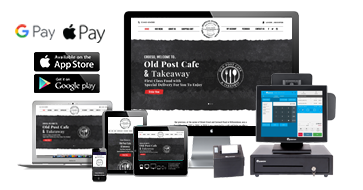
eTakeawayMax is the zero-commission alternative that helps you make more money from online orders. Get more repeat business with contact-less QR menu ordering, waiter apps, driver apps, pre-ordering, and order limits. Integrates with Apple Pay, Google Pay, Just-Eat, UberEat, Deliveroo and more.
Try our risk-free 3 month trial: https://etakeawaymax.co.uk/
Check out other guides on starting a restaurant business in the UK:
- How to open a restaurant in the UK
- Market research for restaurant startups
- How to get the perfect restaurant location in the UK
- How to develop a business plan that works
- Legal requirements for opening a restaurant in the UK
- All you need to know about restaurant financing
- Design your restaurant for success
- Restaurant menu planning
- How to start your restaurant workforce