Restaurant budgeting is an important skill for restaurant startup managers. Discover how you can secure your startup’s budget.

The UK’s vibrant culinary scene is always hungry for fresh, innovative dining experiences. However, turning your restaurant dreams into reality requires more than just a passion for food – it demands smart budget planning and savvy restaurant budgeting to reach your financial goals.
This comprehensive guide offers essential restaurant budgeting tips and best practices for restaurant financial planning to help you succeed in the competitive UK market.
If you’re wondering how to budget for a new restaurant business in the UK, you’ve come to the right place. With the right approach to restaurant budgeting and management, your new venture can not only survive but thrive.
1. Create a Detailed Business Plan
The foundation of any successful restaurant business is a well-crafted business plan. This crucial step in restaurant financial planning should include:
- Realistic financial data and projections
- Thorough market analysis
- Clear concept for your restaurant
- Executive summary
- Business mission and vision
- Restaurant ownership details
- External analysis (including market trends and competitor analysis)
- SWOT analysis
- Planned objectives and action plans
- Management biographies
- Detailed sales forecasting (restaurant profit margins & loss, cash flow, net profit, net income, and balance sheet projections)
A comprehensive business plan will help you understand your UK restaurant budgeting in prime costs and operating expenses, giving you a solid foundation for restaurant budgeting. It also serves as a roadmap for your first few years of operation and can be crucial when seeking funding or partners.
Learn more on how to make a business plan that works.
2. Prioritize Cost-Effective Restaurant Equipment
When outfitting your kitchen, focus on purchasing only the essential equipment needed to start restaurant operations. Consider these strategies for budgeting for UK restaurants:
- Lease equipment instead of buying outright
- Purchase second-hand equipment from reputable dealers
- Look for package deals from restaurant supply companies
Importantly, ensure all equipment meets UK standards and bears the CE mark, indicating compliance with European safety standards. Research energy ratings and long-term maintenance costs to make informed decisions that will benefit your restaurant budgeting in the long run.
3. Master Restaurant Lease Negotiation in the UK
Location can make or break a restaurant, but it’s also one of your biggest expenses. When selecting a property:
- Negotiate favorable lease terms with landlords
- Look for rent-free periods or reduced rates for startups
- Consider areas undergoing regeneration for potential growth
- Internal and external factors in business rates, which are charged on most non-domestic properties in the UK
- Understand the terms of your lease, including break clauses and rent review periods
These initial savings on your lease can provide a much-needed cushion for financial health in your early months of operation.
Learn more on how to find your perfect restaurant location in the UK.
4. Optimize Staff Scheduling for Restaurants
Labour costs often represent the largest expense for restaurants. Use data-driven scheduling to match staff levels with expected customer demand. This approach helps avoid overstaffing during slow periods while ensuring you have enough hands on deck during peak times.
Note that from 1 April 2024, the National Living Wage for those aged 21 and over will increase to £11.44 per hour
Key considerations for UK restaurants:
- Familiarize yourself with UK employment laws, including the Working Time Regulations
- Understand rules around zero-hours contracts
- Consider implementing a mix of full-time, part-time, and flexible staff to optimize operating costs
Effective staff scheduling not only reduces costs but also improves employee satisfaction and customer service.
Learn more on how to manage restaurant staff.
5. Implement Inventory Management for Restaurants
Effective inventory management is crucial for controlling restaurant costs, ensuring food safety, and complying with UK regulations. Invest in software that:
- Track sales and stock levels in real-time
- Reduces waste by highlighting slow-moving items
- Optimizes ordering by suggesting quantities based on usage
- Integrates with UK suppliers for seamless ordering
- Handles VAT calculations
- Assists with allergen tracking to ensure compliance with food safety standards
Proper management of inventory can significantly impact your bottom line by preventing overspending and reducing food waste.
6. Develop Smart Marketing Strategies for Restaurants
In the digital age, there are many cost-effective ways to save on marketing budget and market your restaurant. Focus on:
- Social media marketing (Instagram, Facebook, Twitter)
- Local partnerships with complementary businesses
- Collaborations with food bloggers and influencers
- Leveraging review platforms like TripAdvisor and OpenTable
- Email marketing to build a loyal customer base
- Local SEO to improve your visibility in local search results
Remember, word-of-mouth remains a powerful marketing tool in the restaurant industry. Encourage satisfied customers to leave reviews and recommend your restaurant to friends and family.
7. Control Food Costs
Your menu is more than just a list of dishes – it’s a key financial document. To optimize your food costs:
- Use a food cost calculator to ensure profitable pricing
- Regularly review and adjust your menu based on ingredient costs and popularity
- Implement portion control measures
- Train staff to minimize waste during food preparation
- Consider offering daily specials to use seasonal ingredients or surplus stock
- Provide clear allergen information for all dishes, as required by UK regulations
- Balancing profitability with customer appeal is crucial for long-term success.
8. Explore Alternative Funding Options
While traditional bank loans are an option, consider alternative funding sources such as:
- Crowdfunding platforms
- Small business loans from alternative lenders
- Angel investors or venture capital
- Partnering with experienced restaurateurs
- Government support schemes like the Start Up Loans program
Research local grants available for new businesses in your area. Diversifying your funding sources can help spread financial risk and potentially provide valuable business connections.
Learn more about the best restaurant financing options in the UK.
9. Invest in Energy-Efficient Equipment
Investing in energy-efficient appliances and lighting can significantly reduce your utility costs in the long run. Consider:
- Energy-efficient refrigerators, ovens, and dishwashers
- LED lighting throughout your restaurant
- Smart thermostats for better climate control
- Water-saving faucets and toilets
Additionally, ensure proper ventilation in your kitchen, which is crucial in UK commercial kitchens for removing heat, steam, and smoke. Look into UK government schemes that offer incentives for energy-efficient businesses to offset initial costs.
10. Utilize Technology for Efficiency
Implement technology solutions to streamline operations, reduce errors, and improve overall efficiency:
- Point-of-sale (POS) systems that integrate with your inventory software
- Restaurant management software for staff scheduling and payroll
- Customer relationship management (CRM) systems to track customer preferences and build loyalty
- Online ordering and reservation systems
- Kitchen display systems to improve communication between front and back of house
- Restaurant budgeting software
Choose systems that are compliant with UK tax regulations and can handle contactless payments. Note that from 1 January 2024, there are new rules in the UK regarding holiday pay calculations for workers with irregular hours. Ensure your systems can handle these calculations to maintain compliance.
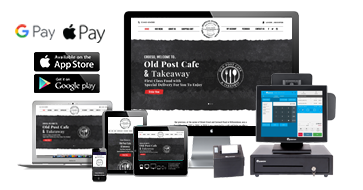
Maximize your restaurant’s efficiency and save money with the eTakeawayMax ePOS System. Designed specifically for the dynamic needs of UK restaurants, this comprehensive solution streamlines operations by integrating order management, inventory control, and staff scheduling into one seamless platform.
By reducing errors, minimizing waste, and optimizing labor costs, eTakeawayMax’s ePOS system ensures you can focus on delivering an exceptional dining experience while maintaining a healthy bottom line. Invest in eTakeawayMax’s ePOS system today and watch your restaurant thrive in the competitive market.
Sign up for our 90-day risk-free POS System trial here.
Conclusion: Mastering How to Manage Restaurant Expenses in the UK
These restaurant budgeting tips offer a solid foundation for your venture, but remember that every business is unique. Restaurant owners should continuously review and adjust your restaurant budgeting plan as you gain more experience and insight into your specific market.
By implementing these strategies and remaining flexible in your approach, you’ll be well-positioned to overcome the challenges and seize the opportunities in the UK’s dynamic restaurant scene. Bon appétit and best of luck with your new venture!